Why Businesses Are Investing in Drone Technology in 2026
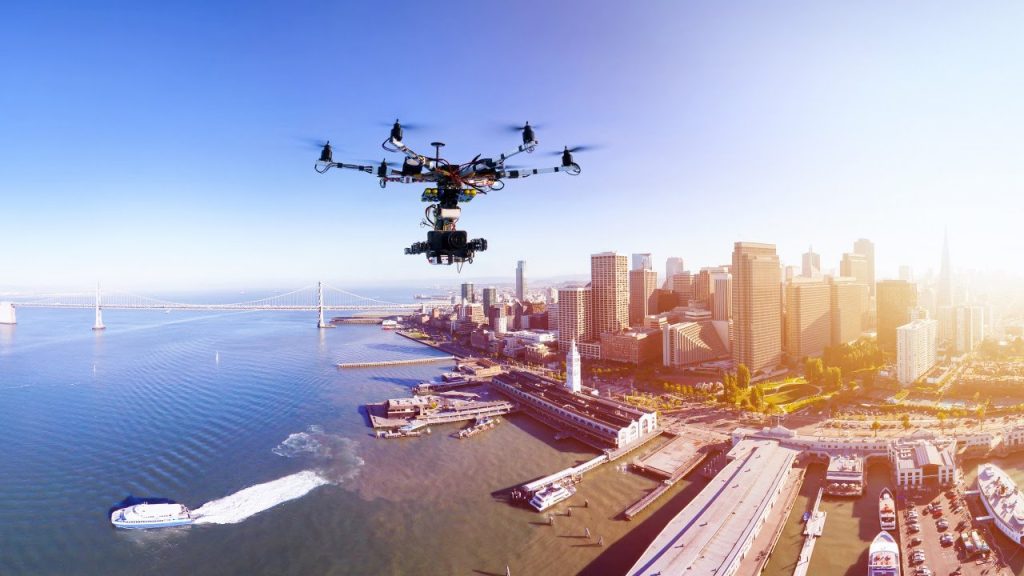
Drone technology has moved far beyond recreational use. In 2026, drones are now a serious business tool—used to inspect infrastructure, monitor operations, map land, improve safety, and support faster decision-making across a wide range of industries. As organizations continue to adopt digital transformation strategies, drones are becoming a practical investment for companies that want to operate smarter, safer, and more efficiently. At SKY DRONES (Tiantu Aviation), we see growing demand from businesses that are looking for dependable aerial systems capable of solving real operational challenges. The reasons behind this shift are clear: drones save time, reduce costs, improve visibility, and provide access to data that would otherwise be difficult or expensive to collect. The Business Case for Drones Companies are no longer asking whether drone technology is useful—they’re asking how quickly they can integrate it into their operations. The value of drones lies in their ability to perform tasks that are traditionally expensive, risky, or inefficient. Instead of relying solely on manual inspections, ground teams, or outsourced aerial services, businesses can deploy drones to complete essential tasks faster and with greater precision. Common reasons businesses invest in drones include:Reducing operational costsImproving worker safetyCapturing real-time aerial dataMonitoring large or remote sites more effectivelyIncreasing productivity across field operationsSupporting better planning, reporting, and decision-makingIndustries Leading Drone Adoption Construction companies use drones for site mapping, progress tracking, safety inspections, and project documentation. Aerial imagery helps managers monitor development, identify issues earlier, and keep stakeholders informed with visual updates. Utility providers and energy companies use drones to inspect power lines, substations, solar farms, wind turbines, and other critical infrastructure. Drones reduce the need for risky manual inspections while enabling more frequent asset checks. Agriculture continues to be one of the strongest use cases for drones. Farmers and agribusiness operators use drones for crop monitoring, field analysis, irrigation planning, and aerial assessments that help optimize productivity and reduce waste. Security teams, emergency responders, and public safety organizations are using drones for surveillance, incident response, search operations, and situational awareness. Rapid deployment and live aerial views can make a significant difference in time-sensitive situations. Drone mapping and surveying solutions help companies measure terrain, monitor stockpiles, plan excavation work, and collect accurate site data in less time than traditional surveying methods. What Makes Drones So Valuable to Businesses?Faster Access to Information Business leaders need timely information to make confident decisions. Drones can capture aerial visuals, thermal imagery, and site intelligence within minutes, allowing teams to act quickly instead of waiting days for reports or field updates. Better Safety Standards Many inspections require working at height, near live equipment, or in hard-to-access environments. Drones reduce the need for workers to enter dangerous areas, helping organizations improve safety procedures and reduce liability. Cost Efficiency Helicopter inspections, scaffolding, repeat field visits, and large survey crews can be expensive. Drones offer a more flexible and cost-effective option for routine monitoring and data collection. Improved Accuracy and Documentation Drone missions can be repeated using the same flight paths, helping teams compare site changes over time. High-resolution imagery and aerial mapping also improve documentation for compliance, planning, and client reporting. Scalability As businesses grow, drone operations can scale with them. Aerial systems can support multiple departments, multiple sites, and multiple use cases—from inspections and security to surveying and progress monitoring. The Rise of Intelligent Drone Ecosystems Modern drone investment is no longer just about purchasing hardware. Businesses are increasingly looking for integrated ecosystems that include: Flight control systemsMission planning softwareLive communication linksAI-powered analyticsCloud-based data managementFleet monitoring and maintenance support This shift reflects a broader trend in the industry: drones are becoming part of connected digital infrastructure rather than standalone devices. For businesses, that means the real value comes not just from flying a drone, but from how effectively it collects, transmits, and turns data into insight. What Businesses Should Look for in a Drone Solution Before investing in drone technology, organizations should evaluate: Use case fit – What operational challenge is the drone solving?Flight endurance – How long can the system stay in the air?Payload capability – Can it support the right sensors or equipment?Software integration – Can it connect with data workflows and reporting tools?Reliability and support – Is it suitable for commercial and industrial use?Compliance and safety features – Can it support responsible, professional operations? Choosing the right drone partner is just as important as choosing the drone itself. Why the Timing Matters in 2026 In 2026, the businesses that gain the most from drones will be those that treat aerial technology as a strategic capability rather than a short-term experiment. As competition increases and industries become more data-driven, organizations need tools that improve visibility, efficiency, and responsiveness. Drone adoption is no longer limited to innovation-focused companies. It is becoming standard practice for businesses that manage assets, infrastructure, land, field teams, or remote operations. Final Thoughts Drones are no longer the future of business operations—they are part of the present. In 2026, companies are investing in drone technology because it helps them work faster, safer, and smarter. Whether the goal is to inspect infrastructure, survey land, monitor progress, improve security, or collect high-value aerial data, drones offer measurable business advantages. At SKY DRONES (Tiantu Aviation), we believe drone technology should deliver more than flight—it should deliver results. As industries continue to evolve, businesses that invest in advanced aerial capabilities today will be better prepared for tomorrow’s operational demands.
How Drones Are Revolutionizing Inspection, Surveying, and Monitoring
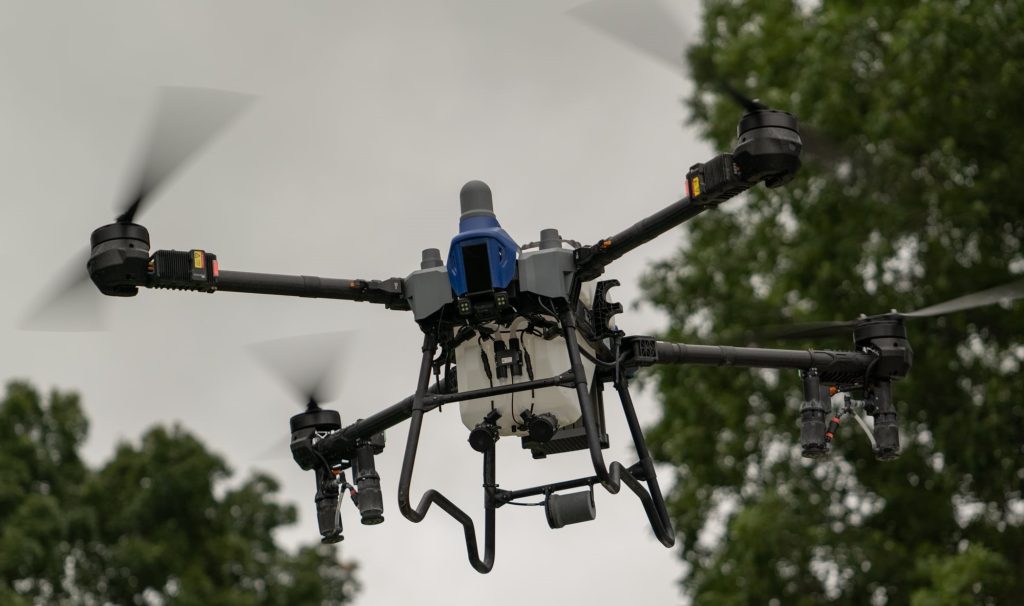
In industries where precision, speed, and safety matter, drone technology is quickly becoming the preferred solution for inspection, surveying, and monitoring tasks. Businesses that once relied on manual fieldwork, expensive aerial services, or time-consuming equipment setups are now turning to drones to collect data faster, reduce risk, and improve operational efficiency. At SKY DRONES (Tiantu Aviation), we understand that modern organizations need more than aerial visibility—they need actionable intelligence. Drones are helping companies across multiple sectors transform how they inspect infrastructure, monitor assets, and capture high-quality aerial data. The Traditional Challenges of Inspection and Surveying Conventional inspection and surveying methods often involve: Sending workers into hazardous environmentsUsing cranes, scaffolding, or helicoptersSpending days or weeks collecting data manuallyDelaying decision-making due to slow reporting cyclesIncreasing operational costs and safety risks For industries such as energy, telecom, construction, oil and gas, agriculture, and infrastructure, these challenges can affect productivity, budgets, and even compliance. This is where drones provide a major advantage. Why Drones Are a Better Solution Drones offer a safer, faster, and more cost-effective way to access hard-to-reach locations and gather precise aerial information. Equipped with high-resolution cameras, thermal sensors, mapping tools, and intelligent flight systems, they can perform complex tasks with minimal disruption to operations. Key benefits of drone-based inspections and surveys include:Improved safety by reducing the need for workers to climb, enter hazardous areas, or operate near dangerous structuresFaster data collection across large sites, remote locations, or elevated assetsLower costs compared to helicopters, scaffolding, and repeated manual site visitsHigher accuracy with consistent aerial imagery, 3D mapping, and repeatable flight pathsReal-time visibility for faster analysis and better operational decisionsDrone Applications Across IndustriesInfrastructure Inspection Bridges, towers, rooftops, pipelines, rail lines, and industrial structures require regular inspections to ensure safety and performance. Drones can capture close-range visuals and detailed aerial data without interrupting operations or putting inspection teams at unnecessary risk. This is especially valuable for: Telecom tower inspectionsSolar panel and wind turbine checksBridge and road condition monitoringPipeline and transmission line inspectionsBuilding façade and roof assessmentsConstruction Surveying Construction firms use drones to monitor site progress, create topographic maps, measure stockpiles, and compare actual development against project plans. This helps improve planning, reduce errors, and keep teams aligned with project timelines. Drone surveying supports: Site mapping and land measurementProgress tracking and reportingVolumetric analysisSafety inspectionsDocumentation for stakeholders and clientsAgriculture Monitoring In agriculture, drones are helping farmers and agribusinesses assess crop conditions, monitor irrigation, identify stressed areas, and optimize land management. Aerial data enables more informed decisions and more efficient use of resources. Security and Remote Monitoring For industrial compounds, remote facilities, and large-scale properties, drones can support surveillance and perimeter monitoring. Live aerial feeds and rapid deployment capabilities make them a valuable asset for security operations. The Power of Aerial Data One of the biggest advantages of drone technology is not just flight—it’s data collection. Drones gather visual, thermal, and geospatial information that can be used to improve maintenance planning, reduce downtime, and support better decision-making. Organizations can use drone data to: Detect cracks, corrosion, leaks, or damage earlyTrack changes over time with repeatable missionsImprove maintenance schedulingReduce unnecessary manual inspectionsGenerate reports and visual evidence for clients, regulators, or internal teams When paired with smart software and analytics tools, drone data becomes even more valuable. Drones and Operational Efficiency Every hour saved on an inspection or survey can translate into real business value. Drone-based operations reduce the need for repeat site visits, accelerate reporting, and allow teams to cover more ground in less time. This is particularly important for organizations managing large assets, multiple sites, or time-sensitive operations. Drone technology also supports better resource allocation. Instead of dedicating large teams and expensive equipment to routine monitoring tasks, companies can deploy aerial systems that provide fast results with lower operational overhead. Choosing the Right Drone Partner Not all drone solutions are the same. For inspection, surveying, and monitoring operations, businesses need systems that are dependable, adaptable, and capable of performing in demanding environments. Endurance, payload flexibility, flight stability, data quality, and mission control features all play an important role in long-term success. At SKY DRONES (Tiantu Aviation), we focus on supporting organizations with advanced drone capabilities designed for real-world commercial and industrial applications. Whether the goal is improved inspection workflows, better aerial visibility, or more efficient surveying operations, drone technology can unlock a new level of performance. Final Thoughts Inspection, surveying, and monitoring are critical business functions—but they no longer need to be slow, risky, or expensive. Drones are changing the way industries approach these tasks by making aerial data more accessible, operations more efficient, and teams better informed. As businesses continue to modernize, drone technology will play an even bigger role in how assets are managed, projects are tracked, and infrastructure is maintained. For organizations ready to improve efficiency, increase safety, and gain a clearer view from above, the future is already here—and it’s flying.
The Future of Drones in Commercial Aviation
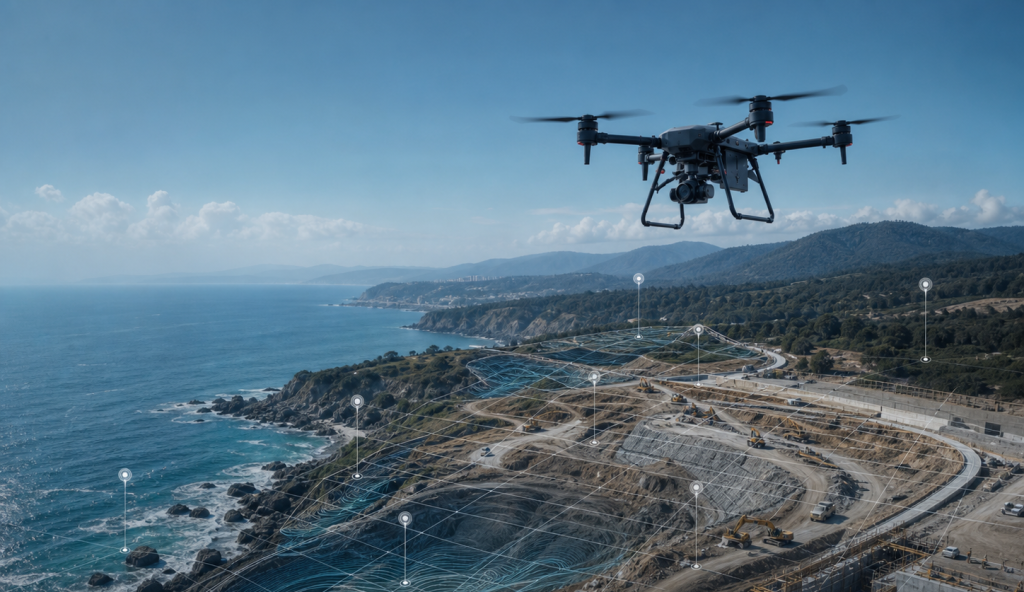
The aviation industry is evolving rapidly, and drones are no longer viewed as experimental technology—they are becoming an essential part of modern commercial operations. From aerial surveying and infrastructure inspections to agriculture, logistics, emergency response, and security, drones are transforming how businesses collect data, improve efficiency, and reduce operational costs. At SKY DRONES (Tiantu Aviation), we believe the future of commercial aviation is being shaped by intelligent, reliable, and mission-ready drone technology. As industries continue to embrace automation and real-time aerial intelligence, drones are proving to be one of the most powerful tools in the next generation of aviation solutions. Why Drones Are Becoming Essential in Commercial Aviation Traditional aviation services often involve high operational costs, large crews, complex logistics, and significant time commitments. Drones, on the other hand, offer a more agile and cost-effective alternative for many aerial tasks. They can be deployed quickly, access difficult or hazardous locations, and capture accurate visual and sensor-based data in real time. Commercial organizations are increasingly using drones for: Aerial inspections of power lines, solar farms, wind turbines, pipelines, bridges, and telecom towersSurveying and mapping for construction, mining, and land development projectsAgriculture monitoring for crop health analysis, irrigation planning, and field surveillanceSecurity and surveillance for industrial sites, critical infrastructure, and remote facilitiesDisaster assessment and emergency response for rapid situational awarenessLogistics and delivery support in specialized or hard-to-reach environments These use cases demonstrate that drones are no longer just cameras in the sky—they are data collection platforms, safety tools, and operational assets. The Shift Toward Smarter Drone Operations The future of drone technology is not just about flight; it’s about intelligence. Commercial aviation is moving toward autonomous systems, AI-powered analytics, real-time communication, and cloud-based mission control. This shift is enabling businesses to do more with less manual effort. Modern commercial drones can now support: Operators can pre-program routes, automate repetitive missions, and reduce the need for manual piloting. This improves consistency, safety, and efficiency. With advanced connectivity, drones can transmit live video, telemetry, and mission data directly to control centers, helping teams make faster decisions. Artificial intelligence can help identify patterns, detect anomalies, monitor changes over time, and turn raw aerial data into actionable insights. As organizations adopt multiple drones across different projects, centralized fleet management systems become essential for monitoring performance, scheduling maintenance, and managing operations. Drones and Industry TransformationConstruction & Infrastructure Drones are helping construction companies monitor project progress, generate topographic maps, inspect structures, and improve site safety. Compared to manual inspections, drone operations are faster and significantly reduce the risks associated with working at height. Agriculture In agriculture, drones are enabling smarter farming through crop imaging, spraying support, irrigation monitoring, and land assessment. Farmers can identify problem areas early, reduce waste, and improve productivity through data-driven decisions. Energy & Utilities Power companies, solar farm operators, and utility providers are increasingly using drones to inspect assets that would otherwise require scaffolding, helicopters, or shutdown periods. This reduces costs while improving safety and inspection frequency. Public Safety & Emergency Services Drones can provide rapid aerial awareness during search-and-rescue operations, disaster response, fire monitoring, and security incidents. Their speed and flexibility make them invaluable in time-sensitive situations. The Importance of Reliability, Compliance, and Performance As drone adoption grows, commercial users need more than just flying hardware—they need dependable systems that can perform in real-world conditions. Reliability, secure communication, intelligent software integration, and operational flexibility are critical factors in commercial aviation environments. At SKY DRONES (Tiantu Aviation), the focus is not only on flight performance but also on delivering drone solutions that meet the practical demands of commercial users. This means supporting businesses with advanced aerial systems designed for precision, safety, endurance, and operational control. What the Future Looks Like The next phase of commercial aviation will be defined by: Greater autonomy in drone operationsBetter integration with AI and cloud platformsExpanded BVLOS (Beyond Visual Line of Sight) capabilitiesMore advanced aerial mapping and sensing technologiesStronger role of drones in industrial automation and public safetySmarter fleet management and predictive maintenance systems As regulations mature and technology advances, drones will continue to move from supporting tools to core operational infrastructure across multiple industries. Final Thoughts Commercial aviation is entering a new era—one where drones are no longer optional innovations, but strategic assets. Businesses that invest in advanced drone capabilities today are positioning themselves for better efficiency, improved safety, richer data, and stronger decision-making tomorrow. At SKY DRONES (Tiantu Aviation), we are proud to be part of this transformation by supporting the future of aerial operations with innovative drone solutions built for real-world commercial use. If your organization is exploring drone technology for surveying, inspection, surveillance, or mission-critical operations, now is the time to look upward—and forward.