Drone technology has moved far beyond recreational use. In 2026, drones are now a serious business tool—used to inspect infrastructure, monitor operations, map land, improve safety, and support faster decision-making across a wide range of industries. As organizations continue to adopt digital transformation strategies, drones are becoming a practical investment for companies that want to operate smarter, safer, and more efficiently.
At SKY DRONES (Tiantu Aviation), we see growing demand from businesses that are looking for dependable aerial systems capable of solving real operational challenges. The reasons behind this shift are clear: drones save time, reduce costs, improve visibility, and provide access to data that would otherwise be difficult or expensive to collect.
The Business Case for Drones
Companies are no longer asking whether drone technology is useful—they’re asking how quickly they can integrate it into their operations. The value of drones lies in their ability to perform tasks that are traditionally expensive, risky, or inefficient.
Instead of relying solely on manual inspections, ground teams, or outsourced aerial services, businesses can deploy drones to complete essential tasks faster and with greater precision.
Common reasons businesses invest in drones include:
Reducing operational costs
Improving worker safety
Capturing real-time aerial data
Monitoring large or remote sites more effectively
Increasing productivity across field operations
Supporting better planning, reporting, and decision-making
Industries Leading Drone Adoption
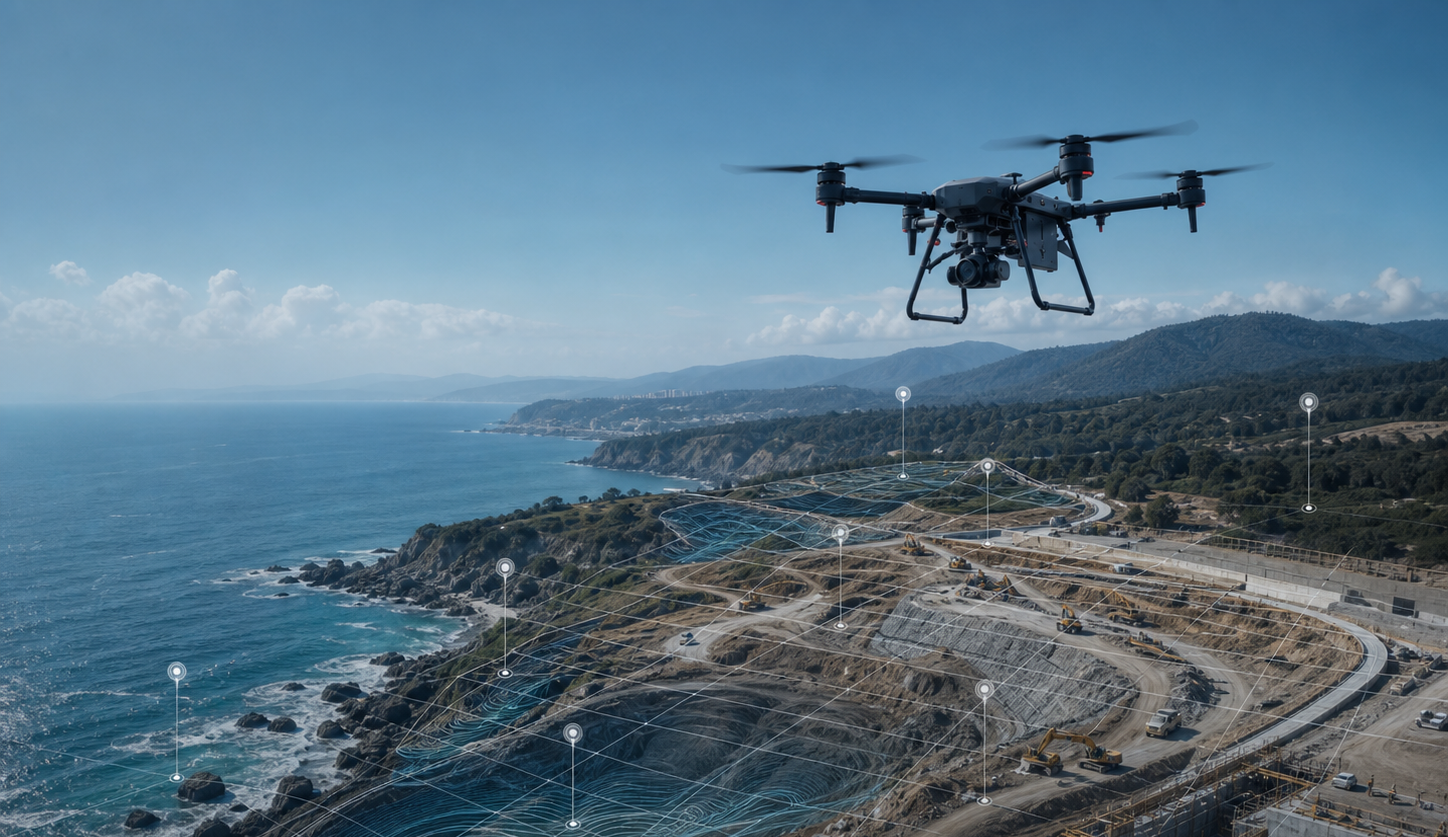
Construction companies use drones for site mapping, progress tracking, safety inspections, and project documentation. Aerial imagery helps managers monitor development, identify issues earlier, and keep stakeholders informed with visual updates.
Utility providers and energy companies use drones to inspect power lines, substations, solar farms, wind turbines, and other critical infrastructure. Drones reduce the need for risky manual inspections while enabling more frequent asset checks.
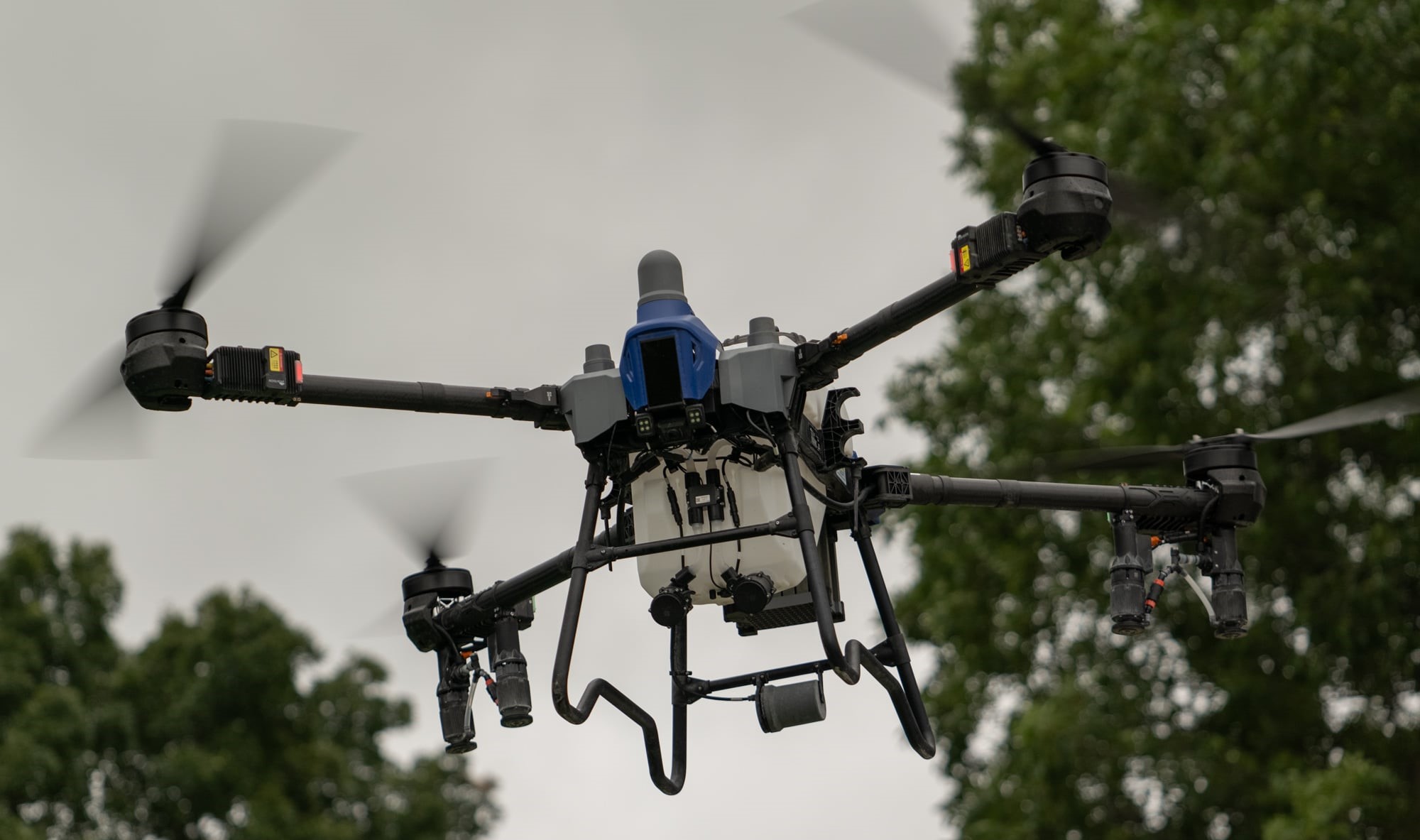
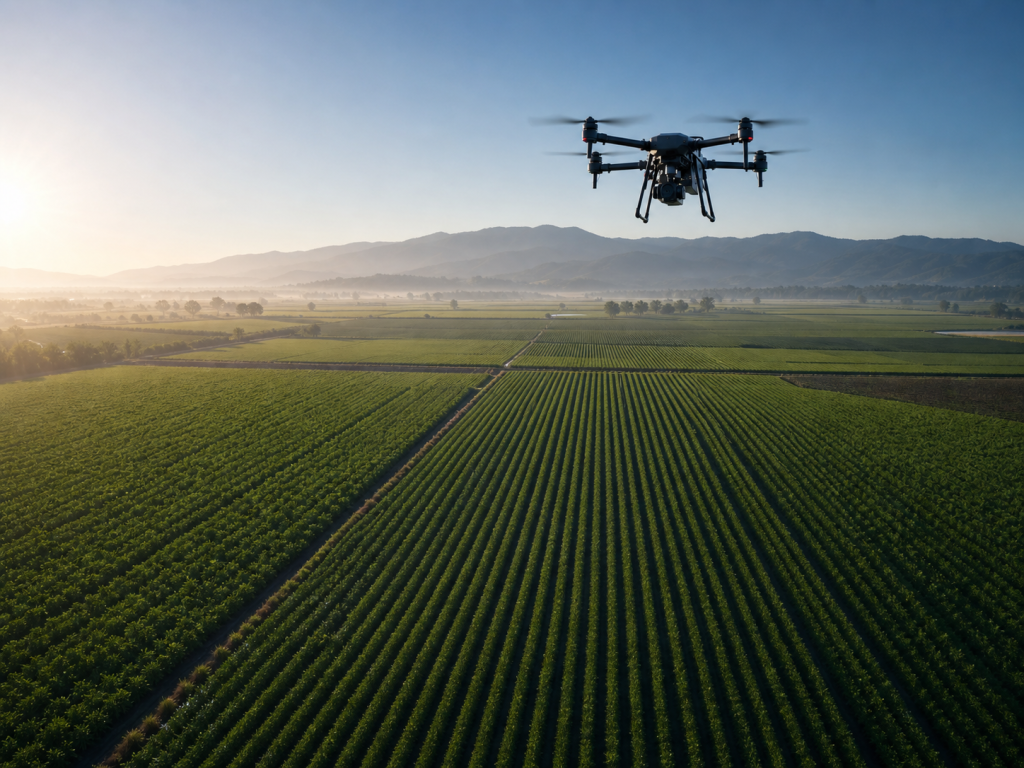
Agriculture continues to be one of the strongest use cases for drones. Farmers and agribusiness operators use drones for crop monitoring, field analysis, irrigation planning, and aerial assessments that help optimize productivity and reduce waste.
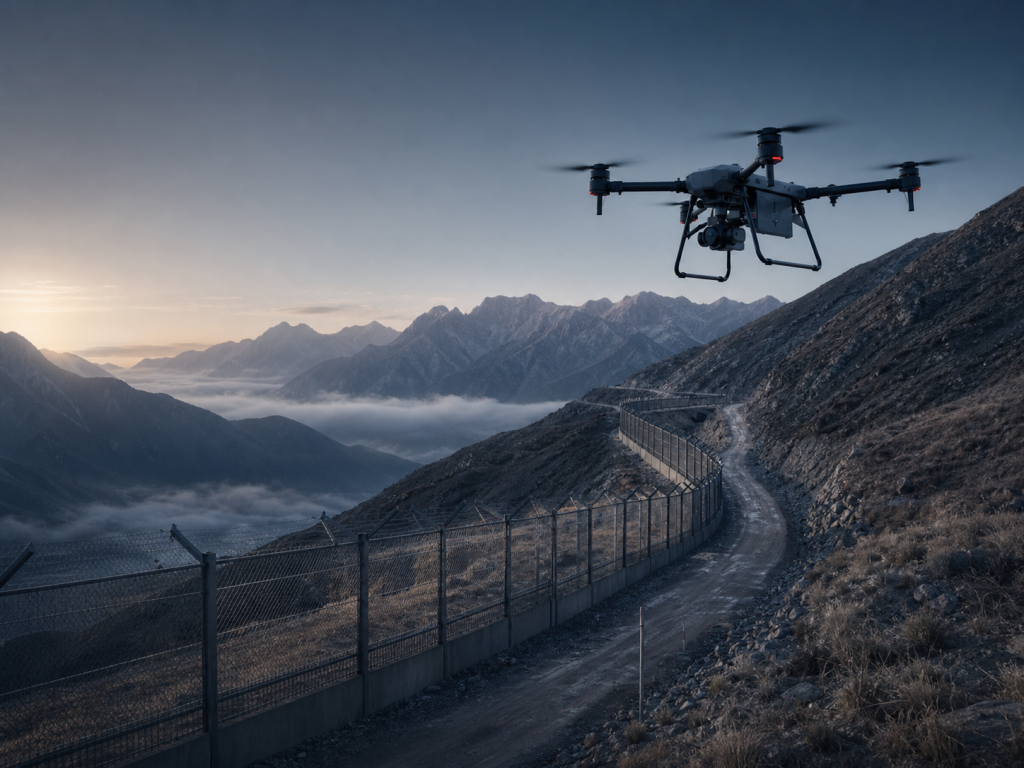
Security teams, emergency responders, and public safety organizations are using drones for surveillance, incident response, search operations, and situational awareness. Rapid deployment and live aerial views can make a significant difference in time-sensitive situations.
Drone mapping and surveying solutions help companies measure terrain, monitor stockpiles, plan excavation work, and collect accurate site data in less time than traditional surveying methods.
What Makes Drones So Valuable to Businesses?
Faster Access to Information
Business leaders need timely information to make confident decisions. Drones can capture aerial visuals, thermal imagery, and site intelligence within minutes, allowing teams to act quickly instead of waiting days for reports or field updates.
Better Safety Standards
Many inspections require working at height, near live equipment, or in hard-to-access environments. Drones reduce the need for workers to enter dangerous areas, helping organizations improve safety procedures and reduce liability.
Cost Efficiency
Helicopter inspections, scaffolding, repeat field visits, and large survey crews can be expensive. Drones offer a more flexible and cost-effective option for routine monitoring and data collection.
Improved Accuracy and Documentation
Drone missions can be repeated using the same flight paths, helping teams compare site changes over time. High-resolution imagery and aerial mapping also improve documentation for compliance, planning, and client reporting.
Scalability
As businesses grow, drone operations can scale with them. Aerial systems can support multiple departments, multiple sites, and multiple use cases—from inspections and security to surveying and progress monitoring.
The Rise of Intelligent Drone Ecosystems
Modern drone investment is no longer just about purchasing hardware. Businesses are increasingly looking for integrated ecosystems that include:
Flight control systems
Mission planning software
Live communication links
AI-powered analytics
Cloud-based data management
Fleet monitoring and maintenance support
This shift reflects a broader trend in the industry: drones are becoming part of connected digital infrastructure rather than standalone devices.
For businesses, that means the real value comes not just from flying a drone, but from how effectively it collects, transmits, and turns data into insight.
What Businesses Should Look for in a Drone Solution
Before investing in drone technology, organizations should evaluate:
Use case fit – What operational challenge is the drone solving?
Flight endurance – How long can the system stay in the air?
Payload capability – Can it support the right sensors or equipment?
Software integration – Can it connect with data workflows and reporting tools?
Reliability and support – Is it suitable for commercial and industrial use?
Compliance and safety features – Can it support responsible, professional operations?
Choosing the right drone partner is just as important as choosing the drone itself.
Why the Timing Matters in 2026
In 2026, the businesses that gain the most from drones will be those that treat aerial technology as a strategic capability rather than a short-term experiment. As competition increases and industries become more data-driven, organizations need tools that improve visibility, efficiency, and responsiveness.
Drone adoption is no longer limited to innovation-focused companies. It is becoming standard practice for businesses that manage assets, infrastructure, land, field teams, or remote operations.
Final Thoughts
Drones are no longer the future of business operations—they are part of the present. In 2026, companies are investing in drone technology because it helps them work faster, safer, and smarter. Whether the goal is to inspect infrastructure, survey land, monitor progress, improve security, or collect high-value aerial data, drones offer measurable business advantages.
At SKY DRONES (Tiantu Aviation), we believe drone technology should deliver more than flight—it should deliver results. As industries continue to evolve, businesses that invest in advanced aerial capabilities today will be better prepared for tomorrow’s operational demands.