The aviation industry is evolving rapidly, and drones are no longer viewed as experimental technology—they are becoming an essential part of modern commercial operations. From aerial surveying and infrastructure inspections to agriculture, logistics, emergency response, and security, drones are transforming how businesses collect data, improve efficiency, and reduce operational costs.
At SKY DRONES (Tiantu Aviation), we believe the future of commercial aviation is being shaped by intelligent, reliable, and mission-ready drone technology. As industries continue to embrace automation and real-time aerial intelligence, drones are proving to be one of the most powerful tools in the next generation of aviation solutions.
Why Drones Are Becoming Essential in Commercial Aviation
Traditional aviation services often involve high operational costs, large crews, complex logistics, and significant time commitments. Drones, on the other hand, offer a more agile and cost-effective alternative for many aerial tasks. They can be deployed quickly, access difficult or hazardous locations, and capture accurate visual and sensor-based data in real time.
Commercial organizations are increasingly using drones for:
Aerial inspections of power lines, solar farms, wind turbines, pipelines, bridges, and telecom towers
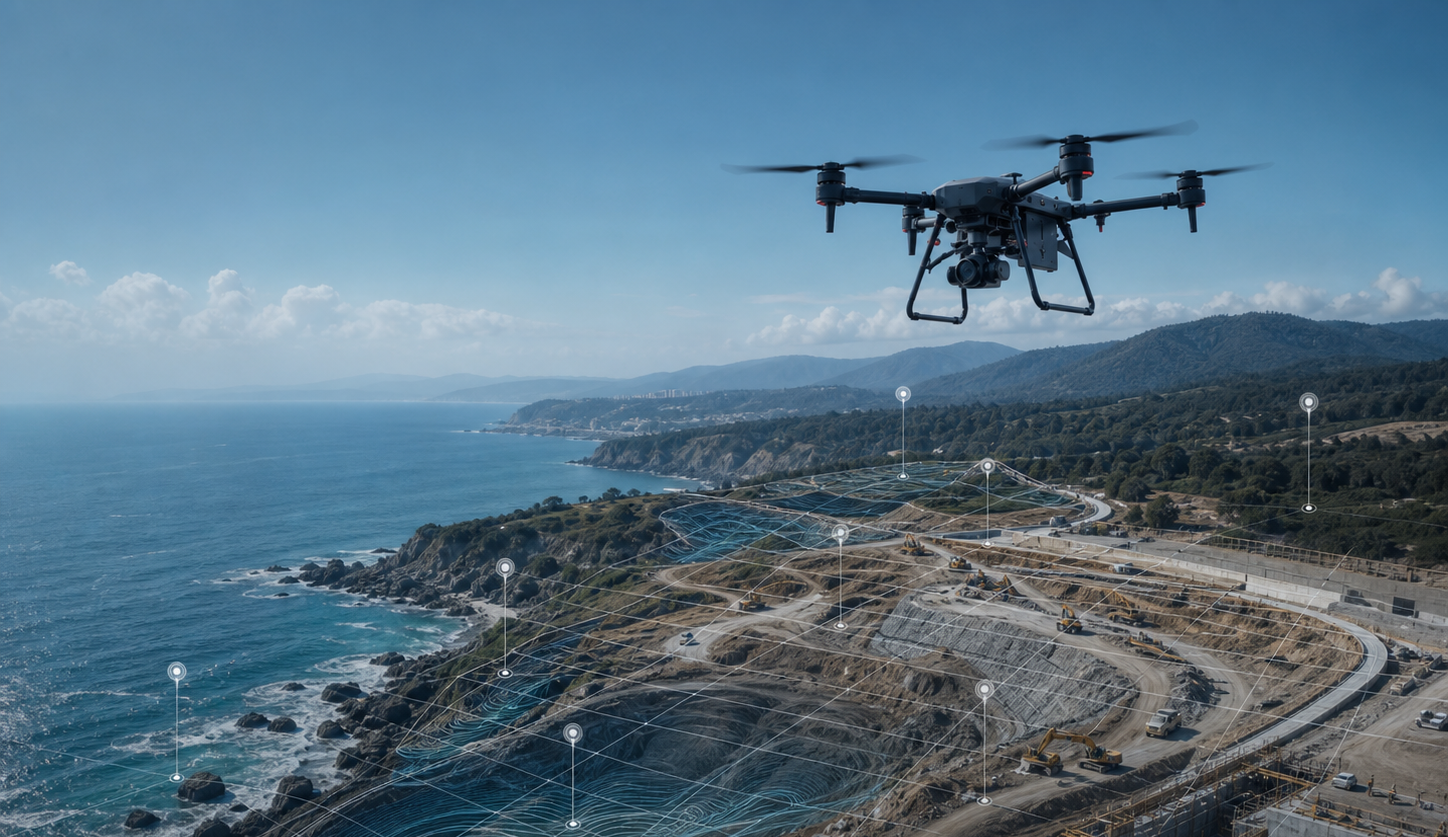
Surveying and mapping for construction, mining, and land development projects
Agriculture monitoring for crop health analysis, irrigation planning, and field surveillance
Security and surveillance for industrial sites, critical infrastructure, and remote facilities
Disaster assessment and emergency response for rapid situational awareness
Logistics and delivery support in specialized or hard-to-reach environments
These use cases demonstrate that drones are no longer just cameras in the sky—they are data collection platforms, safety tools, and operational assets.
The Shift Toward Smarter Drone Operations
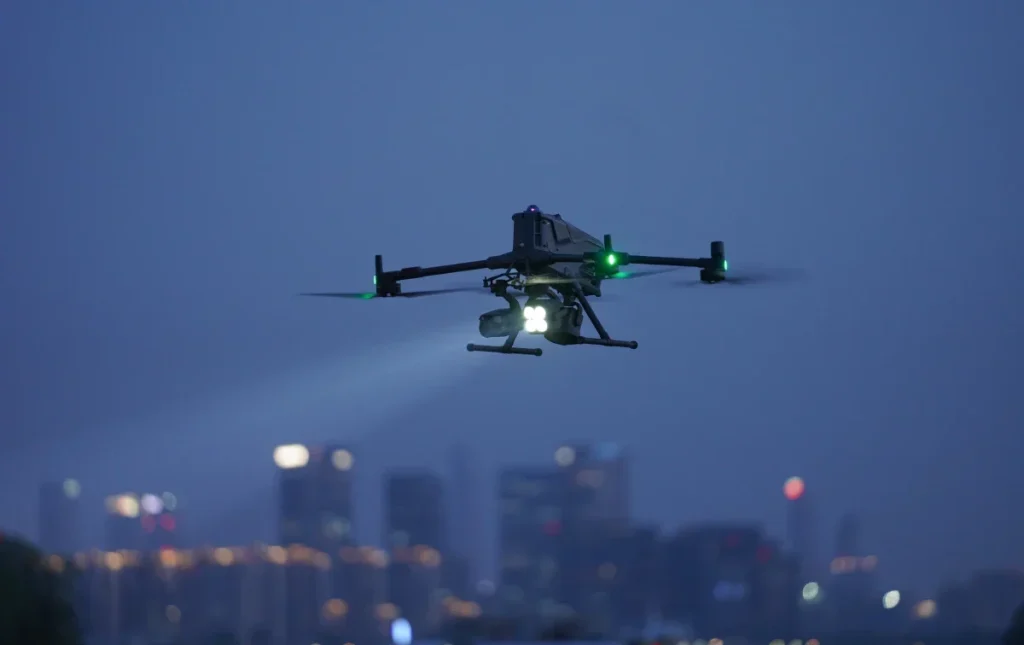
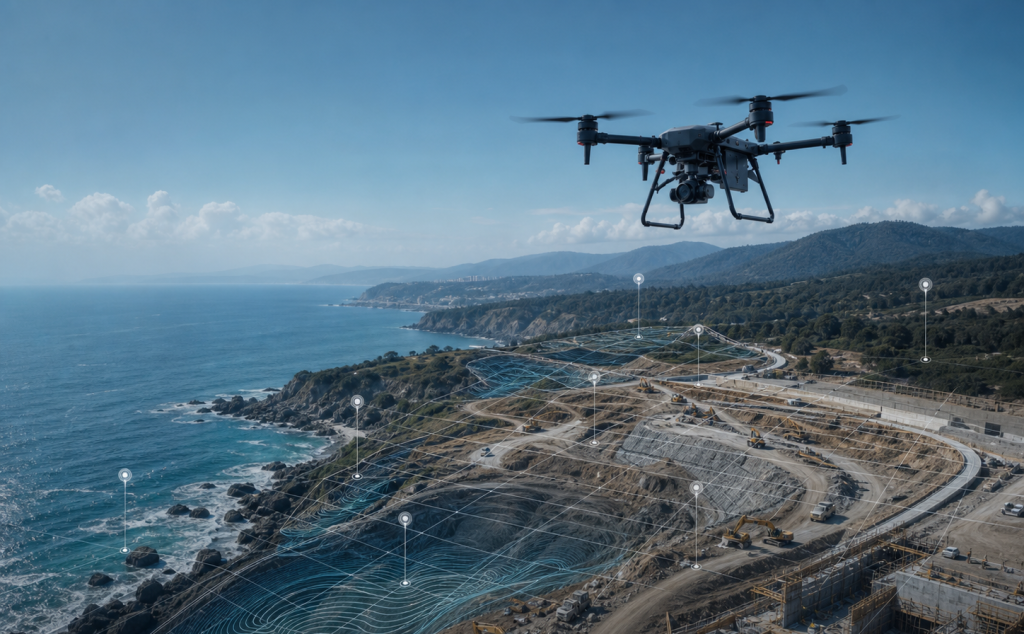
The future of drone technology is not just about flight; it’s about intelligence. Commercial aviation is moving toward autonomous systems, AI-powered analytics, real-time communication, and cloud-based mission control. This shift is enabling businesses to do more with less manual effort.
Modern commercial drones can now support:
Operators can pre-program routes, automate repetitive missions, and reduce the need for manual piloting. This improves consistency, safety, and efficiency.
With advanced connectivity, drones can transmit live video, telemetry, and mission data directly to control centers, helping teams make faster decisions.
Artificial intelligence can help identify patterns, detect anomalies, monitor changes over time, and turn raw aerial data into actionable insights.
As organizations adopt multiple drones across different projects, centralized fleet management systems become essential for monitoring performance, scheduling maintenance, and managing operations.
Drones and Industry Transformation
Construction & Infrastructure
Drones are helping construction companies monitor project progress, generate topographic maps, inspect structures, and improve site safety. Compared to manual inspections, drone operations are faster and significantly reduce the risks associated with working at height.
Agriculture
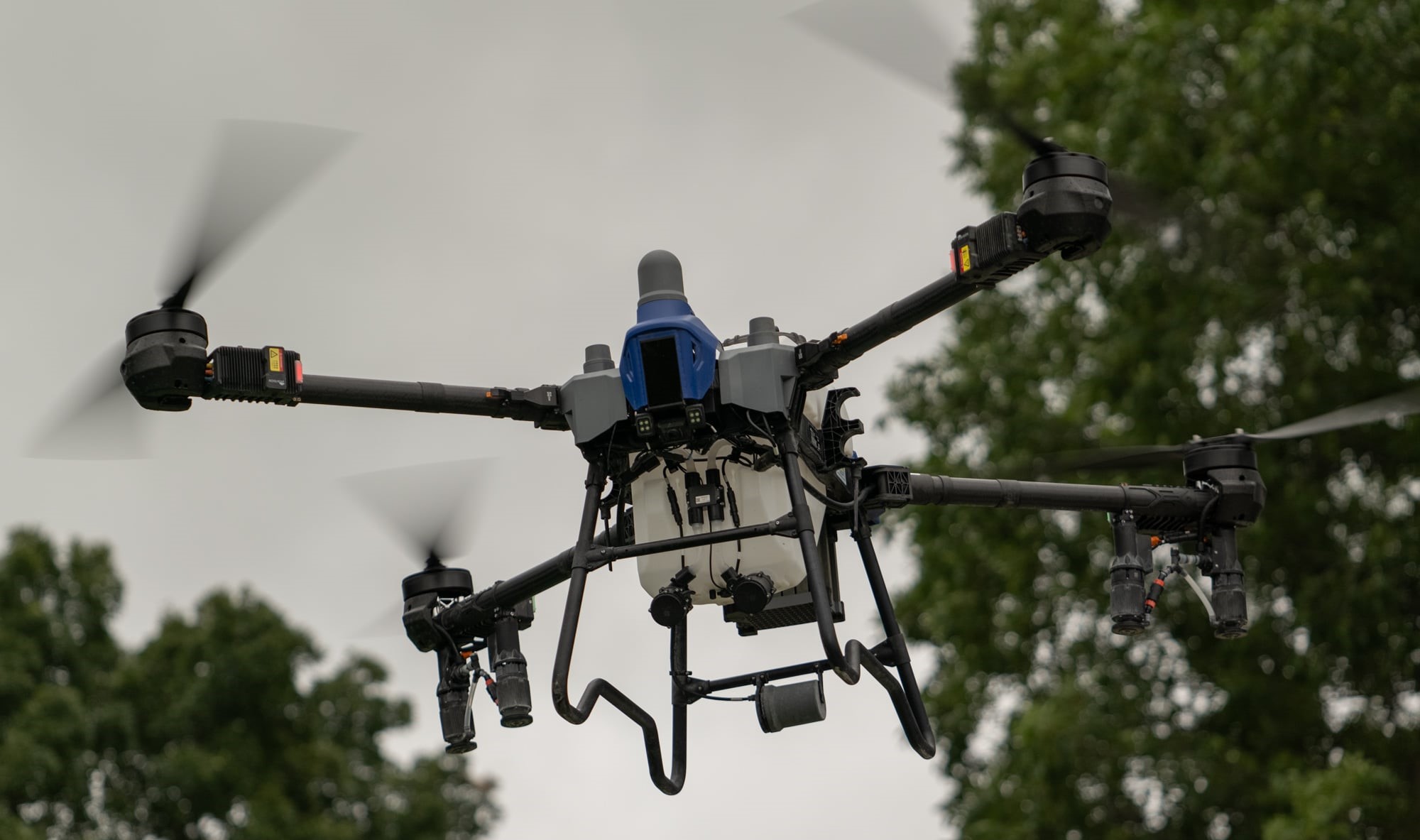
In agriculture, drones are enabling smarter farming through crop imaging, spraying support, irrigation monitoring, and land assessment. Farmers can identify problem areas early, reduce waste, and improve productivity through data-driven decisions.
Energy & Utilities
Power companies, solar farm operators, and utility providers are increasingly using drones to inspect assets that would otherwise require scaffolding, helicopters, or shutdown periods. This reduces costs while improving safety and inspection frequency.
Public Safety & Emergency Services
Drones can provide rapid aerial awareness during search-and-rescue operations, disaster response, fire monitoring, and security incidents. Their speed and flexibility make them invaluable in time-sensitive situations.
The Importance of Reliability, Compliance, and Performance
As drone adoption grows, commercial users need more than just flying hardware—they need dependable systems that can perform in real-world conditions. Reliability, secure communication, intelligent software integration, and operational flexibility are critical factors in commercial aviation environments.
At SKY DRONES (Tiantu Aviation), the focus is not only on flight performance but also on delivering drone solutions that meet the practical demands of commercial users. This means supporting businesses with advanced aerial systems designed for precision, safety, endurance, and operational control.
What the Future Looks Like
The next phase of commercial aviation will be defined by:
Greater autonomy in drone operations
Better integration with AI and cloud platforms
Expanded BVLOS (Beyond Visual Line of Sight) capabilities
More advanced aerial mapping and sensing technologies
Stronger role of drones in industrial automation and public safety
Smarter fleet management and predictive maintenance systems
As regulations mature and technology advances, drones will continue to move from supporting tools to core operational infrastructure across multiple industries.
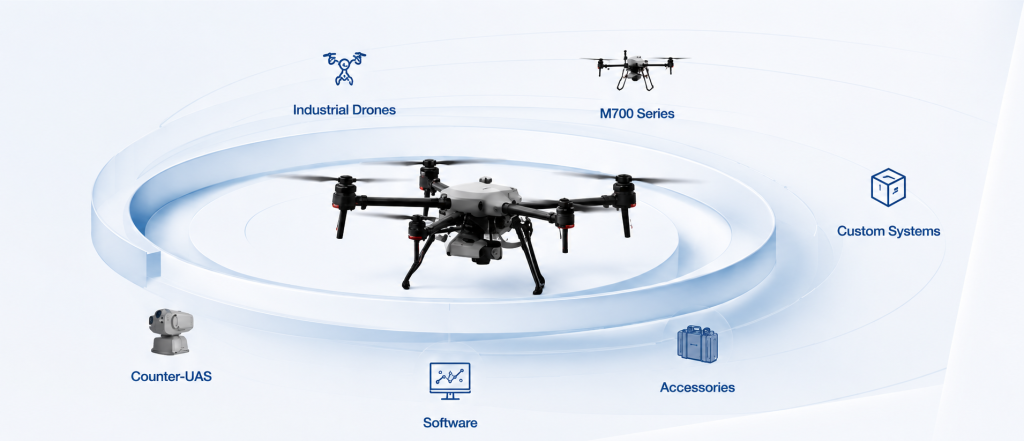
Final Thoughts
Commercial aviation is entering a new era—one where drones are no longer optional innovations, but strategic assets. Businesses that invest in advanced drone capabilities today are positioning themselves for better efficiency, improved safety, richer data, and stronger decision-making tomorrow.
At SKY DRONES (Tiantu Aviation), we are proud to be part of this transformation by supporting the future of aerial operations with innovative drone solutions built for real-world commercial use.
If your organization is exploring drone technology for surveying, inspection, surveillance, or mission-critical operations, now is the time to look upward—and forward.